
Effective Communication with Defiant Teens often feels impossible when doors slam and voices rise. You try logic. They roll their eyes. You set rules. They push harder. Tension builds fast, and suddenly your home feels like a battleground instead of a safe space.
Many parents search for answers and feel overwhelmed by advice that sounds good but fails in real life. Real change begins with understanding what defiance really means. Most teens do not wake up planning rebellion. They react to pressure, confusion, and a strong need for independence.
That shift in perspective changes everything. When you respond with clarity instead of control, conversations start to move. Respect grows. Walls slowly come down.

Defiance often hides deeper emotions. Anger can mask fear. Sarcasm can cover insecurity. Silence can signal overwhelm.
Parents often focus on behavior alone. They try stricter consequences or longer lectures. Those tactics usually increase resistance. Teens crave autonomy and respect. When they feel judged or dismissed, they fight back.
If you struggle with how to talk to a rebellious teenager, start by listening more than you speak. Put curiosity before correction. Ask short, open questions. Keep your tone steady.
Instead of saying, “Why are you always like this?” try, “What happened before this started?” That small change reduces defensiveness. It invites honesty.
Effective Communication with Defiant Teens depends on emotional regulation. Your calm nervous system influences theirs. When you stay grounded, they often follow.
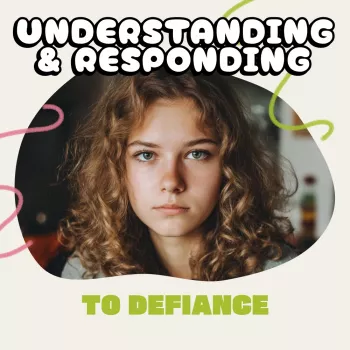
Parents who want structured guidance often turn to A Parent’s Guide to Understanding and Responding to Defiance. This practical ebook explains the psychology behind teenage resistance. It offers scripts, mindset shifts, and clear response frameworks.
The guide breaks down real scenarios. It shows you what to say during power struggles. It teaches you how to avoid escalating arguments. Parents appreciate its step-by-step format and relatable examples.

Heated arguments happen fast. Words fly before you think. Regret follows.
Strong communication skills matter most in those moments. You can lower intensity within seconds by adjusting your body language. Stand sideways instead of face-to-face. Lower your voice instead of raising it.
Use short statements. Avoid long explanations. Say, “I want to understand,” instead of “You never listen.”
Parents who practice parent-teen conflict resolution strategies see fewer explosive episodes. They address the issue without attacking character. They separate behavior from identity.
Conflict becomes manageable when you focus on solutions together. Ask, “What feels fair to you?” Give them space to suggest options. Collaboration builds responsibility.
The structure inside A Parent’s Guide to Understanding and Responding to Defiance supports this process clearly. The ebook outlines specific phrases that reduce power struggles. It explains how to set boundaries without aggression.
Clear boundaries actually make teens feel safer. Consistency reduces anxiety. Predictability strengthens trust.
Trust grows through small daily moments. Big speeches rarely create connection. Simple interactions matter more.
Teens open up when they feel heard. That requires patience and presence. Put your phone down. Make eye contact. Reflect back what they say.
Parents searching for improving communication with difficult teens often overlook tone. Warmth matters as much as words. A calm voice lowers defenses immediately.
Daily rituals help. Drive time conversations feel less intense. Shared activities reduce pressure. Casual chats create emotional safety.
Many families benefit from structured exercises found in A Parent’s Guide to Understanding and Responding to Defiance. The ebook includes reflective prompts and conversation starters. These tools make connection intentional rather than accidental.
Parents also learn calm parenting techniques for teens that reduce emotional overreactions. Techniques such as pause breathing and validation statements help reset tense moments quickly.
When you validate feelings without approving behavior, you maintain authority while showing empathy. That balance strengthens leadership at home.
Trust deepens further when teens see consistency. Follow through on promises. Admit mistakes openly. Apologize when necessary.
Parents who focus on building trust with defiant adolescents notice gradual but powerful shifts. Eye rolls decrease. Conversations lengthen. Cooperation increases.
Effective Communication with Defiant Teens does not demand perfection. It requires intention and steady effort.

The value of A Parent’s Guide to Understanding and Responding to Defiance lies in its clarity. Parents gain confidence because they know what to do next.
The guide transforms confusion into a clear plan. It offers practical language, emotional insight, and proven communication tools.
Strong families grow through understanding. Growth takes courage. Courage begins with one calm conversation.
When you change how you respond, your teen changes how they react. That shift builds respect that lasts beyond the teenage years.
If you have any questions, here are some useful links:




Leave a comment