
How to Practice Yoga Nidra at Home might sound complicated, yet it feels surprisingly simple once you begin. Many people crave deeper rest but struggle to switch off their minds. Yoga Nidra offers a structured path to deep relaxation without demanding flexibility or long hours on the mat.
You simply lie down, follow guidance, and let your body unwind layer by layer. With the right method, your living room becomes a powerful space for calm and mental clarity.
Unlike intense workouts, Yoga Nidra focuses on conscious rest. You remain awake while your body enters a state close to sleep. This practice lowers stress, improves focus, and supports better nighttime rest. Busy professionals, parents, and students all benefit from its gentle structure.
For beginners who want clear direction, the Yoga Nidra Guide for Stress Release explains each step in simple language. It breaks down the process so you never feel lost or overwhelmed.
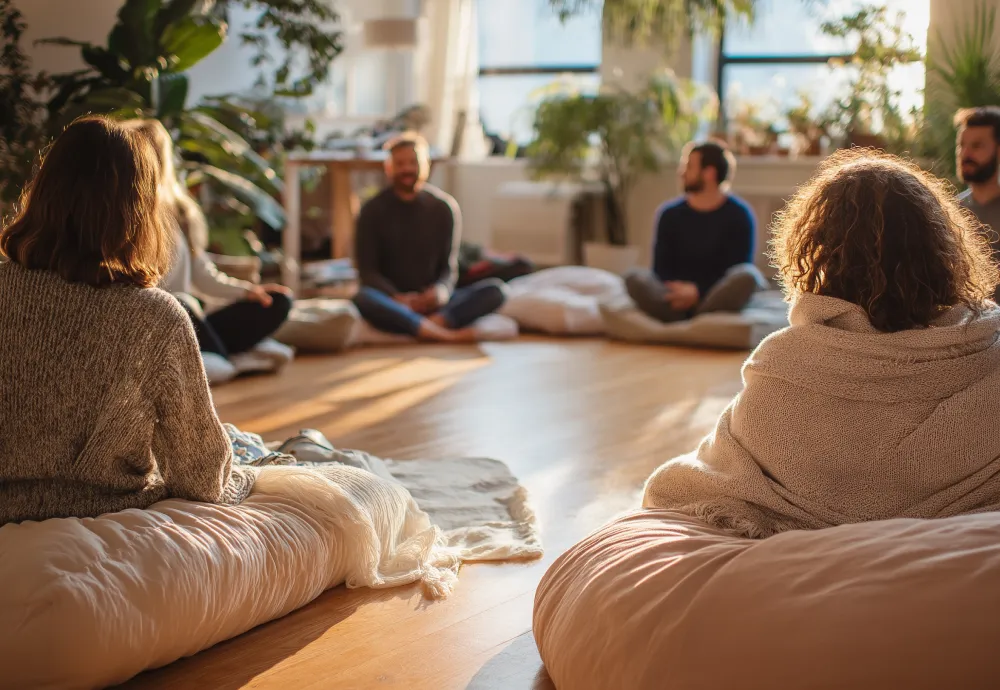
Start by keeping things simple. You do not need incense, crystals, or a perfect playlist. Choose a quiet room and dim the lights. Place a yoga mat or blanket on the floor. Support your head and knees with cushions if needed.
Many people overthink the setup. Focus instead on comfort and stillness. Your body should feel warm and supported. A light blanket helps prevent chills during deep relaxation.
If you feel unsure about structure, a beginner yoga nidra practice guide provides a step-by-step flow you can follow easily. Clear instructions reduce mental resistance and help you stay present.
During practice, you move awareness through different body parts. This rotation of consciousness anchors your attention. Breath awareness follows naturally. Guided visualization deepens the experience.
Consistency matters more than duration. Ten to twenty minutes daily creates noticeable shifts in stress levels. Your nervous system learns to settle faster over time.
Creating a yoga nidra space at home does not require expensive upgrades. Clear clutter from the floor. Turn off notifications. Let family members know you need uninterrupted time.
Temperature affects comfort more than people realize. Keep the room slightly warm. Cold air distracts the body from relaxing fully.
Sound plays a powerful role. Some prefer silence. Others choose soft background music or a guided yoga nidra session at home. A calm voice helps maintain focus without mental effort.
Lighting also shapes your experience. Soft lamps or candlelight feel soothing. Bright overhead lights keep the brain alert. Consider an eye pillow to block excess light and reduce eye tension.
The Yoga Nidra Guide for Stress Release includes practical tips for setting up a calming environment. It helps you build a repeatable routine that fits your schedule.

Many people turn to Yoga Nidra to improve sleep quality. Practicing before bedtime signals safety to your nervous system. Muscles soften. Thoughts slow down. Breathing deepens.
Yoga nidra for sleep at home works best when you treat it as preparation rather than a sleep replacement. Finish your session, then transition gently to bed. This approach helps your mind stay clear while your body rests deeply.
A structured home yoga nidra routine supports long-term improvement. Choose a consistent time each evening. Repeat the same sequence to train your brain. Familiar patterns reduce mental chatter.
When guided properly, Yoga Nidra lowers cortisol levels and calms racing thoughts. You wake up feeling restored rather than groggy. Regular practice also improves emotional resilience throughout the day.
The Yoga Nidra Guide for Stress Release explains how to use intention, or sankalpa, to reinforce positive habits. This simple mental statement supports personal growth while you rest.
People often assume they must stay perfectly still. Small adjustments remain fine if discomfort arises. Prioritize ease over strict discipline.
Another mistake involves forcing relaxation. You cannot push your body into calm. Instead, follow the guidance and observe sensations without judgment.
Some beginners expect dramatic experiences right away. Subtle shifts matter more. Improved mood, clearer focus, and deeper sleep signal real progress.
Others practice irregularly and wonder why results fade. Short, consistent sessions outperform occasional long ones. Treat Yoga Nidra like brushing your teeth. Daily care keeps stress from building up.
If you need structured support, the Yoga Nidra Guide for Stress Release offers organized scripts and explanations. Clear structure reduces guesswork and builds confidence.

You do not need a perfect morning routine to benefit from Yoga Nidra. Schedule sessions around your existing commitments. Early mornings feel quiet and fresh. Evenings provide stress relief after work.
Start with three sessions per week. Increase frequency once it feels natural. Notice how your body responds. Track improvements in mood, energy, and sleep.
Invite family members to try it with you. Shared relaxation builds connection. Children often respond well to short guided sessions.
As you refine your practice, deepen your understanding. Study breath patterns. Explore visualization techniques. Strengthen your intention setting.
Through regular use of the Yoga Nidra Guide for Stress Release, many beginners develop confidence quickly. The digital format allows flexible access anytime you need support. Clear explanations remove confusion and encourage steady progress.
When you commit to this practice, your home transforms into a sanctuary. Stress loses its grip. Sleep improves. Mental clarity strengthens. All it takes involves lying down, following guidance, and allowing rest to do its quiet work.
How to Practice Yoga Nidra at Home becomes less of a question and more of a habit. With patience and consistency, you build a reliable tool for calm that travels with you anywhere.
If you have any questions, here are some useful links:





Leave a comment