
Yoga Nidra for Anxiety Relief offers something rare in modern life: true stillness. When stress builds and sleep feels impossible, your nervous system begs for rest.
Many people try breathing exercises or journaling, yet tension lingers. This practice goes deeper. It guides your body into conscious relaxation while your mind stays gently aware.
Unlike intense yoga flows, Yoga Nidra requires no flexibility or strength. You lie down, follow simple cues, and allow your awareness to shift inward. Over time, this method helps retrain stress responses and soften anxious patterns. That shift changes how you experience everyday pressure.

Anxiety keeps your body in survival mode. Muscles tighten. Thoughts spiral. Sleep suffers. Yoga Nidra interrupts that loop by guiding you into a state between wakefulness and sleep. In that state, your brain produces slower waves linked to healing and restoration.
Research shows that yoga nidra meditation for stress reduction lowers cortisol and improves emotional regulation. Practitioners often report fewer racing thoughts and better focus during the day. Even short sessions can calm physical symptoms such as a tight chest or shallow breathing.
Many beginners start with guided yoga nidra to reduce anxiety because structure creates safety. Clear instructions prevent the mind from drifting into worry. That steady rhythm becomes a mental anchor.
Your nervous system responds to signals of safety. Yoga Nidra teaches your body that it can relax without losing control. During practice, attention moves slowly through the body. That rotation of awareness signals comfort and steadiness.
Consistent sessions support yoga nidra for calming the nervous system. Instead of reacting to every stressor, you begin to respond with more space. That gap between trigger and reaction changes everything.
Many readers also seek deep relaxation for anxiety management when burnout sets in. Yoga Nidra delivers that depth without requiring hours of practice. Twenty minutes often feels like several hours of sleep.
Even evening sessions help. A gentle bedtime yoga nidra for anxious thoughts quiets mental chatter and prepares the body for restorative sleep.
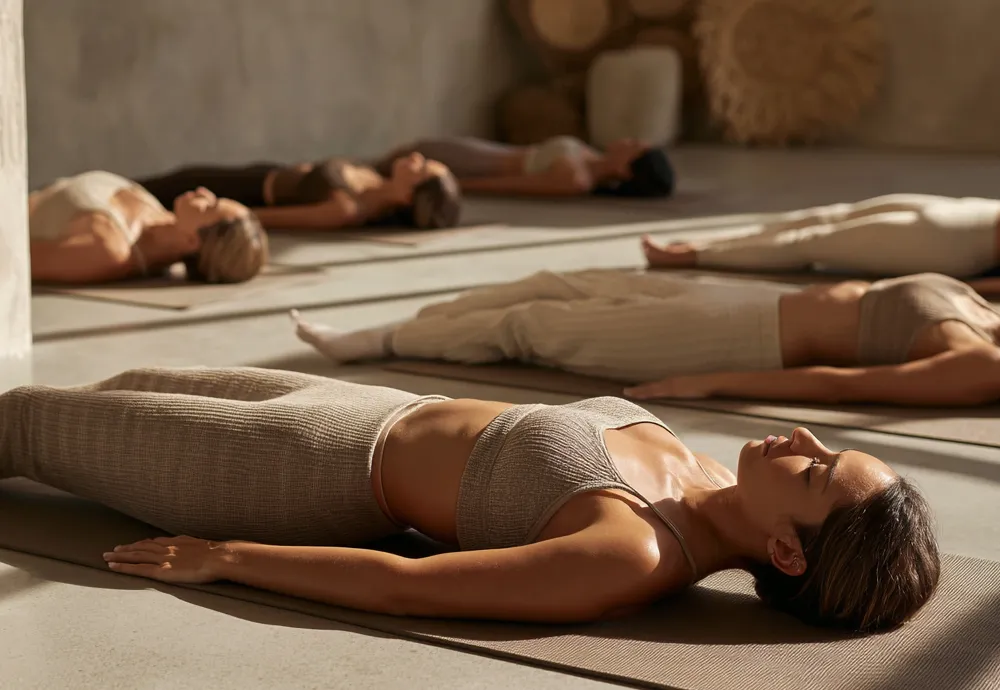
Start with a quiet room and dim lighting. Lie down on your back with support under your knees. Cover yourself with a blanket to stay warm. Comfort matters because physical discomfort distracts the mind.
Close your eyes and follow a structured script. Let your attention travel from toes to head. Notice sensations without judgment. Avoid trying to control the experience. Simply observe.
Commit to practicing three times a week. Consistency builds trust in the process. Over time, you will notice quicker access to calm states. You may also sleep more deeply and wake with clearer thoughts.
For beginners who want a clear roadmap, the Yoga Nidra Guide for Stress Release offers step-by-step instructions designed for daily use. It explains each stage of the practice in simple language. That clarity removes guesswork and builds confidence.
The guide includes structured scripts that support steady progress. Readers appreciate the practical layout and beginner-friendly tone. Many say the format makes it easier to stay consistent.
Imagine finishing a stressful workday without carrying tension into the evening. Picture waking up without dread. Regular practice makes these shifts possible.
People who follow the Yoga Nidra Guide for Stress Release often describe feeling grounded during difficult conversations. Others report fewer panic spikes and improved focus. Small changes add up quickly.
Yoga Nidra for Anxiety Relief does not suppress emotions. Instead, it creates space to process them calmly. That space reduces impulsive reactions and builds resilience.
The Yoga Nidra Guide for Stress Release also includes guidance for adapting sessions to different moods. Some days require shorter practices. Other days invite longer, immersive sessions. Flexibility supports sustainability.
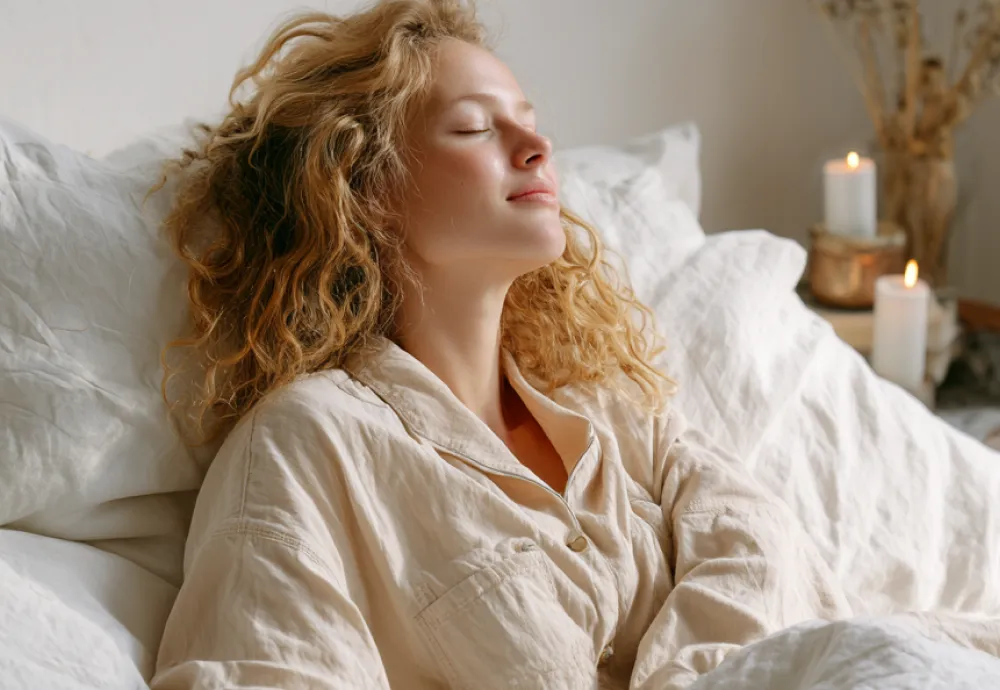
Choose fixed days for practice. Morning sessions prepare you for calm productivity. Evening sessions support recovery and sleep.
Keep expectations realistic. Progress feels subtle at first. Gradual nervous system regulation produces lasting results.
Yoga Nidra for Anxiety Relief works best when you treat it as a habit, not a quick fix. That steady commitment transforms how you experience stress. Over time, your baseline calm improves.
Many readers turn to the Yoga Nidra Guide for Stress Release because it removes confusion and builds structure. Clear instructions simplify the learning curve. As a result, practice feels approachable rather than overwhelming.
Anxiety thrives on constant stimulation. Yoga Nidra counters that pattern with intentional stillness. When you give your body permission to rest deeply, your mind follows. That harmony creates a foundation for lasting emotional balance.
If you have any questions, here are some useful links:




Leave a comment